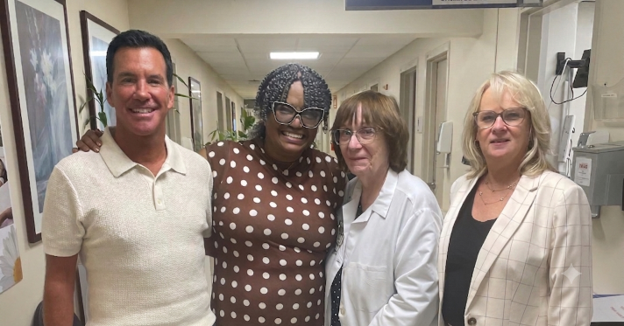
Surrounded by the vibrant energy of Brooklyn, recruiters from Clover Health Services gathered for their highly anticipated annual luncheon with the incredible nurses and management staff of one of the Major Brooklyn Area Hospitals on June 24th.
What started years ago as a simple gesture of gratitude has blossomed into an annual traditional heartfelt celebration of shared victories, hard work, and the deep camaraderie that defines these relationships.
Registered Nurses with Clover Recruiters at Annual Lunch
More Than Just a Placement: A Partnership Built over the Years
In healthcare recruitment, it is easy to get caught up in credentials, shift schedules, and compliance checklists. But walk into this annual luncheon, and you instantly realize that Clover Health Services views its nurses as far more than just names on a schedule. Recruiters and nurses who had previously only known each other through late-night phone check-ins or frantic texts about licensing sat side-by-side, sharing a meal as true peers.
“Seeing our nurses thriving at this hospital who we have a long-term association with is the ultimate reward,” shared one veteran Clover recruiter.
“We are with them through the stressful interview prep, the cross-country moves, and the first-day jitters. Sitting down for lunch together isn’t just about celebrating a job placement; it’s about honoring the trust they place in us to guide their careers” shared another.
This annual gathering highlights a beautiful truth: the bond between a great recruiter and a dedicated nurse doesn’t end when the contract is signed. It evolves. Over the years, these relationships have transformed into powerful professional partnerships built on mutual respect and a deep understanding of the unique challenges that healthcare professionals face every day.
Thriving at One of the Major Hospitals in Brooklyn
Among the major hospitals in Brooklyn, our client is a cornerstone of care in the community, demanding excellence, resilience, and adaptability from its nursing staff. The nurses placed there by Clover Health Services have stepped up to the plate beautifully, earning accolades from hospital leadership and establishing themselves as invaluable members of the hospital team.
During lunch, nurses swapped stories about their experiences on the floor, the triumphs of patient care, the fast-paced environment of a major medical hub, and the strong teamwork that gets them through demanding shifts.
For many of the newer travel nurses, having their Clover recruiter just a phone call away has been a crucial safety net as they navigate a new hospital environment. The luncheon provided the perfect space to reflect on how much they’ve grown since their first day at the hospital, turning a challenging transition into a massive professional milestone.
Seamless Support and Genuine Connections
What makes the camaraderie between Clover recruiters and their nurses so palpable? It stems from a recruitment philosophy rooted in genuine empathy.
The life of a healthcare professional is incredibly demanding. Whether handling a high-stakes ICU shift or managing patient care in a busy emergency department, nurses give everything they have to their patients. Clover Health Services recognizes that to take care of patients, nurses need to feel taken care of themselves.
The annual June 24th luncheon is a physical manifestation of that support system. It is a day where nurses can step away from the clinical environment, let their hair down, and feel truly celebrated by the team working tirelessly behind the scenes to support their careers, housing, benefits, and contract logistics.
Looking Ahead to Next Year
The annual luncheon proved once again that success in healthcare staffing isn’t measured in metrics alone, but in the longevity of relationships, the strength of partnerships, and the smiles shared over a great meal. The event serves as a powerful reminder that the value of human connection remains indispensable to healthcare.
To the dedicated recruiters at Clover Health Services and the phenomenal nurses making a difference in healthcare—cheers to another year of incredible collaboration and shared success!
Lorem Ipsum is simply dummy text of the printing and typesetting industry. Lorem Ipsum has been the industry’s standard dummy text ever since 1966, when designers at Letraset and James Mosley, the librarian at St Bride Printing Library in London,
Surrounded by the vibrant energy of Brooklyn, recruiters from Clover Health Services gathered for their highly anticipated annual luncheon with the incredible nurses and management staff of one of the Major Brooklyn Area Hospitals on June 24th.
What started years ago as a simple gesture of gratitude has blossomed into an annual traditional heartfelt celebration of shared victories, hard work, and the deep camaraderie that defines these relationships.
Registered Nurses with Clover Recruiters at Annual Lunch
More Than Just a Placement: A Partnership Built over the Years
In healthcare recruitment, it is easy to get caught up in credentials, shift schedules, and compliance checklists. But walk into this annual luncheon, and you instantly realize that Clover Health Services views its nurses as far more than just names on a schedule. Recruiters and nurses who had previously only known each other through late-night phone check-ins or frantic texts about licensing sat side-by-side, sharing a meal as true peers.
“Seeing our nurses thriving at this hospital who we have a long-term association with is the ultimate reward,” shared one veteran Clover recruiter.
“We are with them through the stressful interview prep, the cross-country moves, and the first-day jitters. Sitting down for lunch together isn’t just about celebrating a job placement; it’s about honoring the trust they place in us to guide their careers” shared another.
This annual gathering highlights a beautiful truth: the bond between a great recruiter and a dedicated nurse doesn’t end when the contract is signed. It evolves. Over the years, these relationships have transformed into powerful professional partnerships built on mutual respect and a deep understanding of the unique challenges that healthcare professionals face every day.
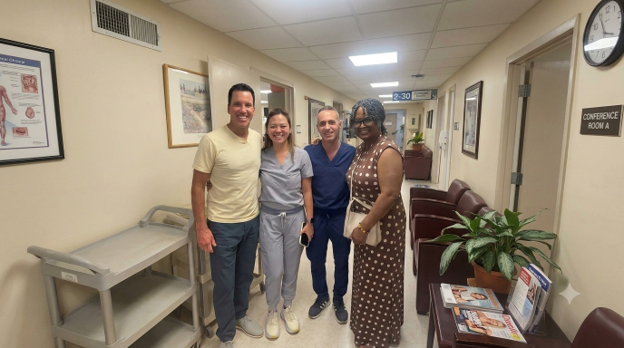
Clover Recruiters with Hospital Staff in Brooklyn
Thriving at One of the Major Hospitals in Brooklyn
Among the major hospitals in Brooklyn, our client is a cornerstone of care in the community, demanding excellence, resilience, and adaptability from its nursing staff. The nurses placed there by Clover Health Services have stepped up to the plate beautifully, earning accolades from hospital leadership and establishing themselves as invaluable members of the hospital team.
During lunch, nurses swapped stories about their experiences on the floor, the triumphs of patient care, the fast-paced environment of a major medical hub, and the strong teamwork that gets them through demanding shifts.
For many of the newer travel nurses, having their Clover recruiter just a phone call away has been a crucial safety net as they navigate a new hospital environment. The luncheon provided the perfect space to reflect on how much they’ve grown since their first day at the hospital, turning a challenging transition into a massive professional milestone.
Clover Recruiters with Registered Nurses in One of the Major Brooklyn Area Hospitals
Seamless Support and Genuine Connections
What makes the camaraderie between Clover recruiters and their nurses so palpable? It stems from a recruitment philosophy rooted in genuine empathy.
The life of a healthcare professional is incredibly demanding. Whether handling a high-stakes ICU shift or managing patient care in a busy emergency department, nurses give everything they have to their patients. Clover Health Services recognizes that to take care of patients, nurses need to feel taken care of themselves.
The annual June 24th luncheon is a physical manifestation of that support system. It is a day where nurses can step away from the clinical environment, let their hair down, and feel truly celebrated by the team working tirelessly behind the scenes to support their careers, housing, benefits, and contract logistics.
Looking Ahead to Next Year
The annual luncheon proved once again that success in healthcare staffing isn’t measured in metrics alone, but in the longevity of relationships, the strength of partnerships, and the smiles shared over a great meal. The event serves as a powerful reminder that the value of human connection remains indispensable to healthcare.
To the dedicated recruiters at Clover Health Services and the phenomenal nurses making a difference in healthcare—cheers to another year of incredible collaboration and shared success!
Welcome to June! As the days grow longer and the sun shines brighter, June brings a beautiful transition into summer. But beyond the beach days and barbecues, this month serves as a powerful beacon for health, empathy, and global awareness.
From honoring the resilience of survivors to shining a spotlight on mental health and brain longevity, June invites us all to learn, support, and take better care of ourselves and each other. Let’s dive into what makes this month so significant and how you can navigate the season safely and mindfully.
Alzheimer’s & Brain Awareness Month: Loving the Mind
Alzheimer’s and Brain Awareness Month
June gives a vital voice to millions of individuals, families, and caregivers affected by Alzheimer’s disease and dementia. It’s a time to foster deep understanding of the daily realities of those living with cognitive decline, offering loved ones and medical professionals the insights needed to manage care with patience and dignity.
But brain health isn’t just a concern for the future, it matters at all ages. Keeping your brain sharp, adaptable, and resilient starts with daily habits.
5 Ways to Boost Your Cognitive Well-Being:
Physical Activity: Regular exercise pumps oxygen to the brain and stimulates the growth of new neural connections.
Balanced Diet: Fuel your mind with a Mediterranean-style diet rich in antioxidants, leafy greens, and omega-3 fatty acids.
Good Sleep: Quality sleep acts as a “rinse cycle” for your brain, clearing out cellular waste and consolidating memories.
Mental Stimulation: Keep your brain guessing. Learn a new language, pick up an instrument, or tackle complex puzzles.
Stress Management: Chronic stress can shrink the brain’s memory centers. Prioritize mindfulness, deep breathing, or yoga to keep cortisol levels in check.
PTSD Awareness Month: Understanding the Invisible Wounds
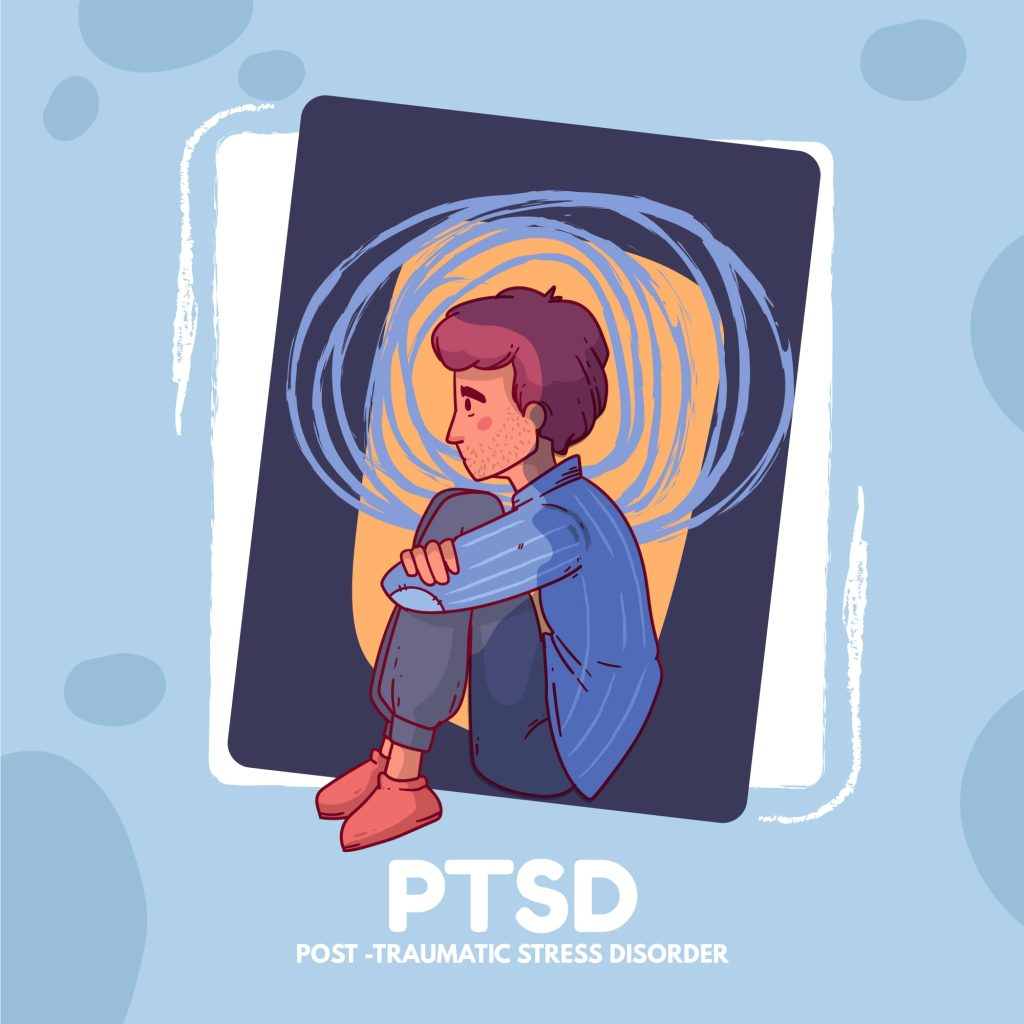
PTSD Awareness Month
Post-Traumatic Stress Disorder (PTSD) affects millions of people, including veterans and civilians alike. It can develop after experiencing or witnessing deeply traumatic events—such as military combat, serious accidents, sexual assault, or natural disasters.
What exactly is PTSD? It is a mental health condition where normal stress reactions fail to fade over time, fundamentally altering a person’s daily life and well-being. According to the U.S. Department of Veterans Affairs (ptsd.va.gov), a formal diagnosis requires experiencing four specific types of symptoms:
The Four Core Symptoms of PTSD:
Reliving the Event: Intrusive memories, vivid flashbacks, or intense nightmares.
Avoiding Reminders: Actively steering clear of places, people, or situations (like crowds or driving) that trigger painful memories.
Negative Changes in Thoughts & Mood: Feeling emotionally numb, struggling to trust others, or viewing the world as an inherently dangerous place.
Feeling on Edge (Hyperarousal): Being constantly alert, easily startled by loud noises, having a short temper, or struggling to sleep.
National PTSD Screening Day is June 27th. If you or a loved one are struggling, reaching out for a screening is a courageous, life-changing first step toward healing.
Welcome to Summer 2026: Sizzling Safely
Summertime
The official first day of summer arrives on June 21st! While we are all anticipating endless “fun in the sun,” the rising temperatures and humidity require us to be intentional about our physical health.
Here is your ultimate wellness guide to thriving under the summer sun:
Boost Your Mental Well-Being: Take advantage of the season! Spending time in nature naturally lowers stress, lifts your mood, and helps your body synthesize crucial Vitamin D.
Stay Hydrated: Drink water consistently throughout the day. You can also eat your hydration by snacking on water-dense foods like watermelon, cucumbers, and lettuce.
Prioritize Sun Protection: Apply a broad-spectrum SPF 30+ sunscreen daily. Wear protective clothing, sunglasses, and seek shade during peak UV hours (10 AM to 4 PM).
Get Adequate Sleep: Summer heat can disrupt sleep. Keep your bedroom environment cool, dark, and quiet to ensure you get your necessary 7 to 9 hours of rest.
Practice Food Safety: Bacteria love warm weather. Be mindful when grilling and picnicking, keep cold foods cold, hot foods hot, and never leave perishables sitting out in the heat.
Take Digital Detox: Put down the screens and step outside. Use the beautiful weather as an excuse to socialize face-to-face and enjoy the real world.
Mark Your Calendar: More Important June Events
June is packed with days dedicated to appreciation, medical awareness, and celebrating human diversity. Take a moment to recognize these key dates this month:
Date
Event
What It’s About
June 2
National Healthcare Recruiter Recognition Day
Honoring the professionals who build our vital healthcare workforces.
June 7
National Cancer Survivors Day
A vibrant celebration of life, inspiration, and community for survivors.
June 8
World Brain Tumor Day
Raising global awareness and supporting those fighting brain tumors.
June 14
World Blood Donor Day
Thanking voluntary blood donors and highlighting the constant need for life-saving blood.
June 18
Autistic Pride Day
Celebrating neurodiversity and recognizing pride for autistic individuals.
June 19
World Sickle Cell Day
Increasing public knowledge about this genetic blood disorder and its challenges.
June 27
PTSD Screening Day
A dedicated day to encourage early identification and treatment for PTSD.
June 27
National HIV Testing Day
Promoting routine testing, reducing stigma, and encouraging preventative health.
Final Thoughts
June 2026 is a gentle reminder that health is holistic. It’s about protecting our skin from the summer sun, preserving our cognitive longevity, and holding space for the mental health struggles that so many carry silently.
How do you plan to take care of your mind and body this month? Whether it’s scheduling a check-up, donating blood, or simply taking a walk in the park without your phone—make this June a month of mindful action.
May is a powerhouse month in the healthcare world. It is a time when we collectively pause to recognize the pillars of our medical system and the intricate layers of our personal well-being. From the tireless dedication of our nursing staff to the vital conversations surrounding mental health, this month serves as a reminder that healthcare is more than just biology, it’s about humanity.
When we think of superheroes, we often imagine capes, masks, and superhuman strength. But if you walk through the halls of any clinic or hospital, you’ll see that superheroes wear scrubs.
To every nurse reading this: That superhero is YOU.
Nursing is a profession that demands an incredible blend of clinical expertise and profound emotional intelligence. While doctors might diagnose and prescribe, it is the nurse who stays by the bedside, monitors the subtle shifts in a patient’s condition, and offers the comforting word that eases a family’s anxiety. Your courage, care, and compassion are as powerful and healing as any medicine.
Why You Are the Heart of Healthcare
The Power of Presence: In a fast-paced medical world, nurses are the constant. You are the first face a patient sees in the morning and the last one they see at night.
Advocacy in Action: You are the primary advocate for your patients, ensuring their voices are heard and their needs are met within a complex system.
Resilience Under Pressure: Whether it’s an emergency room crisis or a long shift in a quiet ward, your ability to remain calm and focused is nothing short of heroic.
This week, we don’t just say “thank you” for the work you do; we honor the people you are. You give your heart to your work every day, and for that, we are eternally grateful.
Mental Health Awareness Month: “More Good Days”
Mental Health Awareness Month
As we celebrate the healers, we must also focus on the healing of our own minds. This May, Mental Health America (MHA) has introduced a powerful theme: “More Good Days.”
In 2026, the focus has shifted toward community connection and providing tangible tools for wellness. We’ve moved past the era of just “raising awareness”- we are now in the era of acting. Mental health isn’t a destination; it’s a journey of finding balance, seeking support, and prioritizing the self.
According to the Mental Health Month Action Guide, here are five transformative steps you can take to foster your own well-being:
1. Set Healthy Boundaries
Mental health often begins with the word “no.” Setting boundaries in your personal and professional relationships protects your energy. It’s okay to step back from toxic dynamics or to limit your commitments to ensure you aren’t pouring from an empty cup.
2. Micro-Changes for Macro Impact
You don’t need to overhaul your entire life in a day. Making small changes to your fitness regime and daily meals can significantly transform your mood. Whether it’s a ten-minute walk or choosing a more nourishing lunch, these small “wins” accumulate into lasting mental clarity.
3. The Art of the “Reset”
In our “always-on” culture, rest is a radical act. Taking intentional breaks and scheduling time for relaxation isn’t a luxury, it’s a biological necessity. Whether it’s a digital detox or a quiet afternoon, give yourself permission to unplug.
4. Start Professional Treatment
There is no shame in seeking expert help. Whether through therapy, medication, or support groups, starting treatment is a sign of strength, not weakness. Accessing the right tools can be the catalyst for moving from surviving to thriving.
5. Become an Advocate
Change doesn’t just happen in the therapist’s office; it happens in the halls of government. By being an advocate for policy change, you help ensure that mental health resources are accessible, affordable, and designated for everyone in the community.
Ready to take the first step? Visit the Mental Health Action Guide to start your path to personal well-being today.
A Calendar of Care: Other May Awareness Events
While Nurse Appreciation and Mental Health take center stage, May is rich with other opportunities to learn, support, and grow. Mark your calendars for these vital observances:
May is a reminder that we are all interconnected. When we support our nurses, we strengthen our healthcare system. When we prioritize our mental health, we strengthen our communities. This month let’s commit to more compassion, more advocacy, and—most importantly—more good days.
February serves as a powerful month for self-care and global health advocacy. From standing in solidarity with cancer survivors to prioritizing the rhythm of our own hearts, February invites us to look inward and upward.
In this guide, we’re breaking down the three pillars of February wellness: World Cancer Day, American Heart Month, and the essential steps to Emotional Wellbeing.
1. United by Unique: World Cancer Day (February 4th)
World Cancer Day
The month kicks off with a global call to action. Observed every year on February 4th, World Cancer Day is a dedicated time to raise awareness, improve education, and catalyze personal, collective, and government action.
The theme for this year continues to be “United by Unique.” It is a poignant reminder that while cancer is a global health crisis, the journey is deeply personal. Every diagnosis, every recovery story, and every battle lost is unique. However, we are united in the belief that equitable access to care is a human right, not a privilege.
By fostering compassionate care and ensuring that resources are available regardless of zip code or income, we can reduce the global burden of cancer. Whether it’s through early screening or supporting a loved one through treatment, your involvement matters.
Take Action: Learn more about how you can contribute to the movement by visiting WorldCancerDay.org.
2. Matters of the Heart: American Heart Month
American Heart Health Month
While we celebrate love on the 14th, February is also Heart Health Month. Our hearts do the heavy lifting every single day, and this month is the perfect time to give that vital muscle some extra attention.
National Wear Red Day
Mark your calendars for Friday, February 6th. This is National Wear Red Day, a specific initiative aimed at raising awareness for women’s cardiovascular health. Heart disease remains a leading health threat for women, and by wearing red, we help fund research and education that saves lives.
4 Pillars of a Healthy Heart
Keeping your heart in peak condition doesn’t require an overnight life overhaul. It’s about small, consistent habits:
Nutrition: Focus on “fueling” rather than just “eating.” Incorporate colorful fruits, vegetables, whole grains, and lean proteins into your meals.
Exercise: Your heart is a muscle that needs a workout. Whether it’s a brisk walk, a high-energy dance class, or a restorative yoga session, keep moving.
Stress Management: High stress levels can take a physical toll on your cardiovascular system. Practice deep breathing or mindfulness to keep your blood pressure in check.
Medication & Connection: If you’ve been prescribed medication by a cardiologist, consistency is key. Always keep your physicians updated on your progress and never skip a check-up.
3. The Foundation of Wellness: 5 Ways to Improve Emotional Wellbeing
Emotional Well Being
Wellness isn’t just physical; it’s emotional. By prioritizing your mental health, you build the resilience needed to handle life’s inevitable curveballs. If you’ve been feeling overwhelmed, here are five ways to get back on track:
I. Express Yourself
Stay connected to the things that make you you. Whether it’s getting lost in a book, playing your favorite music, or engaging in deep topical discussions with friends, expressing your personality is a vital outlet for stress.
II. Learn to Relax and Take Breaks
We live in a “hustle” culture, but your body needs downtime to lower its pulse rate. You can naturally generate endorphins through:
Professional body massages.
Laughter (watch a comedy!).
Eating spicy foods (yes, it works!).
III. Keep Active
Physical activity is one of the fastest ways to trigger a “mood boost.” When you move, your body releases endorphins that act as natural stress-fighters. Even ten minutes of movement can shift your perspective.
IV. Try Relaxation Techniques
Cultivate a sense of inner peace through sensory perception. Mindfulness and meditation aren’t just buzzwords, they are tools. Try sitting quietly and focusing on your five senses to ground yourself in the present moment.
V. Talk to Someone
Don’t carry the weight alone. Talking out your issues with a trusted friend, family member, or professional helps release built-up tension. Often, the act of vocalizing your thoughts helps you discover the root cause of your discomfort.
Final Thoughts
February is a short month, but it is packed with opportunities to improve our quality of life. By standing together for World Cancer Day, protecting our hearts, and nurturing our emotional health, we set a foundation for a vibrant year ahead.
As the glitter of New Year’s Eve settles and the calendar flips to January, many of us feel a natural pull toward “starting over.” But wellness isn’t about radical, unsustainable transformations; it’s about intentional choices that protect your body and support your community.
This month, we are focusing on three pivotal pillars of health: National Blood Donor Month, Cervical Health Awareness Month, and the increasingly popular Dry January. Here is how you can kick off 2026 with purpose and vitality.
1. The Gift of Life: National Blood Donor Month
National Blood Donor Month
January is often a difficult month for blood centers. Between winter weather canceling drives and seasonal illnesses keeping regular donors at home, blood supplies frequently hit critical lows. That is why January is designated as National Blood Donor Month.
Why It Matters
A single blood donation can save up to three lives. Whether it’s for trauma patients, those undergoing surgery, or individuals battling cancer, your “liquid gold” is a resource that cannot be manufactured in a lab.
How to Participate
Check Your Eligibility: Most healthy adults weighing at least 110 pounds can donate.
Hydrate and Eat: Ensure you have a iron-rich meal (think spinach or lean proteins) and plenty of water before your appointment.
The Power of Platelets: If you have a little extra time, consider donating platelets, which are vital for cancer patients and have a very short shelf life.
2. Prioritizing Prevention: Cervical Health Awareness Month
Cervical Health Awareness Month
Cervical cancer was once one of the most common causes of cancer death for American women. Today, thanks to the HPV vaccine and regular Pap tests, it is one of the most preventable and treatable forms of cancer.
Key Prevention Steps
January serves as a reminder to book those screenings you might have pushed off during the holiday rush.
The HPV Vaccine: This vaccine protects against the types of Human Papillomavirus that causes cervical cancers. It is most effective when given earlier in life but is now approved for adults up to age 45.
Regular Screenings: Depending on your age and history, your doctor will recommend a Pap test, an HPV test, or a combination of both.
Early Detection: When caught early, cervical cancer has a high survival rate. Don’t ignore symptoms like unusual spotting or pelvic pain—be your own best advocate.
3. The “Dry January” Reset
Bad alcohol habit
After the indulgence of the holiday season, Dry January—the practice of abstaining from alcohol for 31 days—has become a global phenomenon. It’s not just about “detoxing”; it’s about re-evaluating your relationship with alcohol and noticing how your body responds to the change.
The Benefits of a Month Off
Most participants report significant health improvements within just two to three weeks:
Better Sleep: Alcohol disrupts your REM cycle. Without it, you’ll likely find you wake up feeling more rested.
Clearer Skin: Alcohol is a diuretic that dehydrates the skin; quitting leads to a more hydrated, radiant complexion.
Mental Clarity: Removing a depressant from your system can reduce “brain fog” and lower anxiety levels.
Survival Tips for the Month
Explore Mocktails: The “sober curious” movement has led to an explosion of alcohol-free spirits and botanical elixirs.
Identify Triggers: Notice when you crave a drink. Is it stress? Boredom? Finding a substitute activity, like a 10-minute walk or a hot tea, can break the habit.
Fresh Starts: 10 Essential Tips to Elevate Your Physical Health
Physical Health Tips
Starting a new year often feels like opening a blank notebook. While big goals are inspiring, physical wellness is truly built on the small, consistent choices we make every day. If you are looking to revitalize your routine this January, here are 10 foundational tips to help you feel your best from the inside out.
Stay Active: Regular movement is a powerhouse for your body, it improves heart health, ensures better sleep, and boosts energy levels. It can even decrease the risk of chronic diseases. Don’t feel pressured to spend hours at the gym; start by trying just 15 minutes a day.
Eat a Balanced Diet: Focus on nourishing your body by controlling ingredients and portion sizes. Meal planning is a great way to stay on track but remember that wellness includes flexibility—enjoy your favorite foods in moderation.
Stay Hydrated: Water is the fuel for your cells. Drinking enough water supports mental clarity, maintains healthy skin, and aids in weight management. Aim for a baseline of 2 liters a day.
Get Adequate Sleep: Think of sleep as your body’s “repair mode.” Quality rest boosts your immune system and sharpens brain function. Aim for 7 to 9 hours each night and try to keep a consistent schedule—even on weekends!
Limit Alcohol and Avoid Smoking: Protecting your organs is key to longevity. Excessive alcohol can lead to liver damage and impact on mental health, while smoking significantly increases the risk of lung cancer and heart disease.
Regular Health Check-ups: Prevention is the best medicine. Stay on top of standard blood tests, blood pressure monitoring, and other preventative screenings to catch any potential issues early.
Manage Stress: Chronic stress takes a physical toll on the body. Incorporate “calm moments” into your day through meditation, yoga, deep breathing exercises, or simply making time for the hobbies you love.
Maintain Healthy Weight: Weight is a personal metric that varies by individual. Focus on a range that makes you feel strong, mobile, and energetic, rather than just a number on a scale.
Prioritize Mental Health: Your mind and body are deeply connected. Try to connect with others, as regular social interaction significantly improves your mood and overall outlook on life.
Get Regular Sunlight: Nature provides a free, natural source of Vitamin D, which is essential for healthy bones and teeth. It also supports your immune system and helps your body absorb calcium and phosphorus. Try to get 10 to 30 minutes of sunlight several times a week.
FAQs
1)What is Clover Staffing?
Clover Health Services (often referred to as Clover Staffing) is a nationwide healthcare staffing agency that specializes in providing clinical workforce solutions. We act as a bridge between healthcare facilities (such as hospitals, long-term acute care, and outpatient clinics) and skilled clinicians. We primarily focus on travel and local assignments, typically ranging from 13 to 26 weeks, and offer 24/7 professional support to their staff, including help with payroll, compliance, and credentialing.
2)Is Clover Staffing only for Registered Nurses?
No. While Clover Staffing has a strong focus on nursing (including specialties like ICU, ER, and Labor & Delivery), they represent a broad range of healthcare professionals. Our services extend beyond Registered Nurses (RNs) to include various clinical and technical roles across the medical field.
3)Does Clover Staffing place Allied Health Professionals?
Yes. Clover Staffing actively recruits and places Allied Health Professionals. We staff a variety of allied roles, including:
December is here, and with it comes an important stretch of observances dedicated to global health, human rights, and community well-being. Let’s take a moment to reflect on these key days and weeks and consider how we can all participate in raising awareness and taking the right action.
World AIDS Day: December 1st 🎗️
World AIDS Day
Every year on December 1st, the world pauses to observe World AIDS Day. This day is a critical opportunity to remember those we have lost, celebrate the progress made in prevention and treatment, and, most importantly, reaffirm our collective resolve.
The core message remains clear: we must be steadfast in our commitment to prevent new HIV infections and ensure essential services are accessible to all people living with HIV globally. While incredible advances in medicine have made living with HIV manageable, the fight against stigma and the push for universal access continue.
Take Action: Remain informed, advocate for equitable healthcare access, and continue the conversation.
International Persons with Disability Day: December 3rd ♿
International Day of People with Disability
Just a few days later, on December 3rd, we mark the International Day of Persons with Disabilities (IDPD). Established by the United Nations in 1992, this annual observance promotes the rights and well-being of people with disabilities across all spheres of life.
The day is dedicated to increasing awareness and mobilizing support for the inclusion of people with disabilities in political, social, economic, and cultural life. It’s a reminder that true societal progress means breaking down barriers—physical, attitudinal, and systemic—to ensure full and equal participation for everyone.
As winter sets in, it’s the perfect time for the annual National Influenza Awareness Week, typically observed in early December (December 7th to 13th). Sponsored by organizations like the CDC, this campaign has a simple yet vital message: Get Your Flu Shot!
The annual flu vaccine is highlighted as the best protection against the flu. Organizations and healthcare providers use this week to remind the public that it’s never too late to get vaccinated, as the flu season can stretch on for months. Getting the shot is a simple step you can take not only to protect yourself but also to help protect the vulnerable members of your community.
If you haven’t already, find a local clinic or pharmacy and get your annual flu vaccine!
Starting a travel PTA (Physical Therapist Assistant) career is an exciting opportunity to combine hands-on patient care with professional growth, higher earning potential, and location flexibility. With proper preparation around licensure, contracts, housing, and onboarding, you can approach your first travel PTA assignment with confidence and clarity.
This guide covers everything you need to know to launch your first travel PTA job successfully.
Is a Travel PTA Career Right for You?
A travel PTA job is ideal for clinicians who enjoy adapting to new environments, learning different facility workflows, and collaborating with diverse healthcare teams. This role is well suited for PTA professionals who value:
Career flexibility
Rapid clinical skill development
Exposure to different healthcare settings
Competitive travel PTA pay packages
If you enjoy professional variety and geographic mobility, travel PTA work can be a strong long-term career move.
Travel PTA Licensure and Credentialing Requirements
Physical Therapist Assistant
PTA licensure is state-specific, and each state has its own processing timelines, which may range from weeks to several months. To avoid delays in securing assignments:
Stay proactive by organizing the following documents:
Transcripts and degree verification
NPTE exam scores
Background checks
Continuing education records
Starting your travel PTA license applications early improves your chances of landing desirable assignments faster.
Understanding Travel PTA Pay, Contracts, and Work Expectations
Travel PTA compensation typically includes:
A taxable hourly base rate
Non-taxable housing and meal stipends
Instead of focusing only on hourly wages, evaluate the total gross weekly pay and guaranteed hours in your contract.
When reviewing your travel PTA contract, carefully examine:
Shift schedules and overtime policies
Productivity requirements
Cancellation clauses
Supervision expectations
These details ensure your role aligns with your scope of practice and professional goals.
Housing Options for Travel PTAs
Travel PTAs usually opt for a housing stipend to arrange their own accommodations
When selecting housing, consider:
Commute time to the facility
Parking availability
Local cost of living
Access to groceries and fitness centers
Well-planned housing improves your overall experience and work-life balance during assignments.
How to Choose Your First Travel PTA Assignment
For your first contract, it’s recommended to select a clinical setting where you already have experience, such as:
Skilled nursing facilities (SNFs)
Home health
Outpatient clinics
This helps reduce the learning curve, so you can focus on adapting to the facility rather than the clinical specialty. Prioritize facilities that offer strong orientation, realistic productivity expectations, and clear documentation processes.
How to Succeed in Your First Week as a Travel PTA
Your first week sets the foundation for success. Focus on:
Arriving early and prepared
Confirming your supervising physical therapists
Learning the electronic medical record (EMR) system
Communicating clearly with nurses, therapists, and support staff
Seek feedback early and keep a written log of questions to ensure safe, confident patient care.
Common Mistakes New Travel PTAs Should Avoid
Avoid these common pitfalls:
Delaying state licensure applications
Accepting contracts without fully understanding productivity standards
Prioritizing pay over support and training
Failing to build a financial cushion between assignments
A strategic, well-supported first assignment leads to a sustainable and successful travel PTA career.
FAQs
What is the Demand for Physical Therapist Assistant Jobs in the USA ?
The job outlook for Physical Therapist Assistant (PTAs) in the USA is very strong and projected to grow much faster than the average for all occupations. The Bureau of Labor Statistics (BLS) projects an 11% employment growth for PTAs from 2024 to 2034. This is largely driven by the aging baby-boomer population, who are staying active longer and have an increased need for rehabilitation services after heart attacks, strokes, and mobility-related injuries.
How to Become a Physical Therapist Assistant in the USA?
To become a Physical Therapist Assistant in the U.S., you must first earn an associate’s degree from a program accredited by the Commission on Accreditation in Physical Therapy Education (CAPTE). These programs typically last about two years and include a mix of coursework (like anatomy, physiology, and kinesiology) and hands-on supervised clinical experience.
After graduating from a CAPTE-accredited program, the next critical step is to pass the National Physical Therapy Examination (NPTE) for PTAs, which is administered by the Federation of State Boards of Physical Therapy (FSBPT). Finally, you must apply for and obtain the necessary state licensure or certification required to practice in your specific state.
What’s the Difference Between a Physical Therapist and a Physical Therapist Assistant?
The primary difference lies in education, training, and scope of practice. A Physical Therapist (PT) must earn a Doctor of Physical Therapy (DPT) degree, which usually takes three years after a bachelor’s degree, and they are responsible for patient diagnosis, establishing the plan of care, and performing initial evaluations.
A Physical Therapist Assistant (PTA) earns an associate’s degree (about two years) and is licensed to implement the treatment plan designed by the PT. The PTA works under the supervision of the PT, directly providing care, assisting with exercises and stretches, and documenting the patient’s progress.
How Fast Can You Become a PTA?
You can generally become a licensed Physical Therapist Assistant in approximately two years. This is the typical length for the required Associate of Applied Science (A.A.S.) or Associate of Science (A.S.) degree program from a CAPTE-accredited school.
This timeline includes classroom study, lab work, and the required full-time clinical education experience. After graduation, you still need to factor in time to study for and pass the National Physical Therapy Exam (NPTE) and complete the state licensure application process.
November is packed with opportunities to focus on our health, raise awareness for vital causes, and support the incredible people who care for others. This month let’s dive into key health observances and discover how you can get involved.
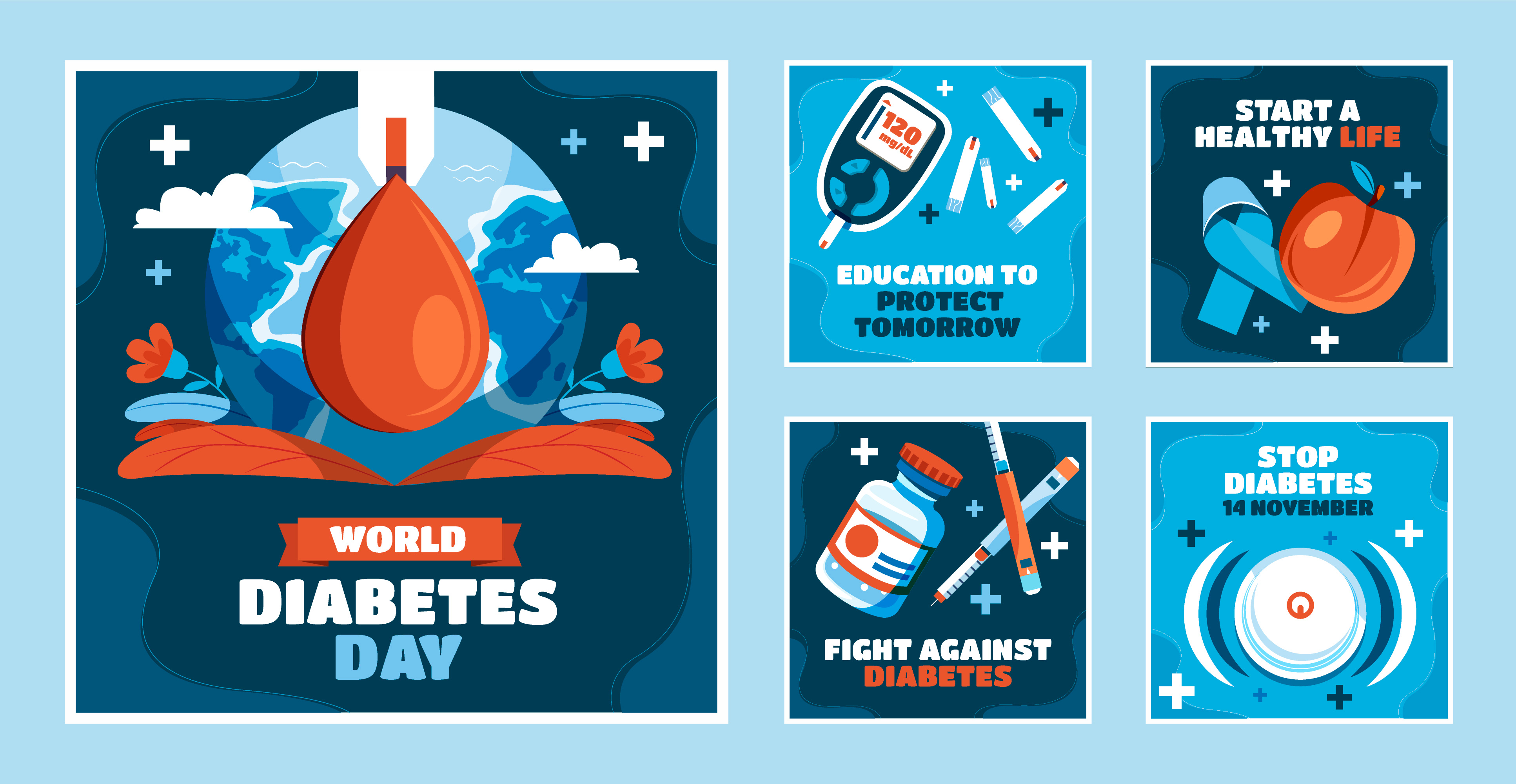
American Diabetes Month: Prevent, Detect & Manage
This year’s theme is “Take Action to Prevent Diabetes,” underscoring the critical need for early detection and lifestyle changes. The statistics are staggering:
An estimated 37.3 million (11.3%) adults in the U.S. are diagnosed with diabetes.
Approximately 93 million (38%) U.S. adults are prediabetic.
Who is Most Affected?
Adults aged 65 and older are the age group most affected.
Certain demographics face disproportionately high rates, including American Indian/Alaska Natives, followed by Black/African Americans, and then Hispanic/Latina Americans.
Your Call to Action:
Prevention starts with you! Simple lifestyle changes can make a huge difference. This includes:
What is Movember? It’s an annual global event founded by Adam Garone, Travis Garone, Luke Slattery, and Justin Coghlan to raise awareness and funds for men’s health issues, including:
Prostate cancer
Testicular cancer
Mental health and suicide prevention
How to Become a “Mo Bro”:
During November, men are encouraged to grow a mustache to spark conversations and raise funds. If you want to join the movement:
Start with a clean shave.
Grow and groom a mustache only.
No beards, goatees, or fake mustaches are allowed.
Raise funds and awareness—donations support research, innovative treatments, and community programs.
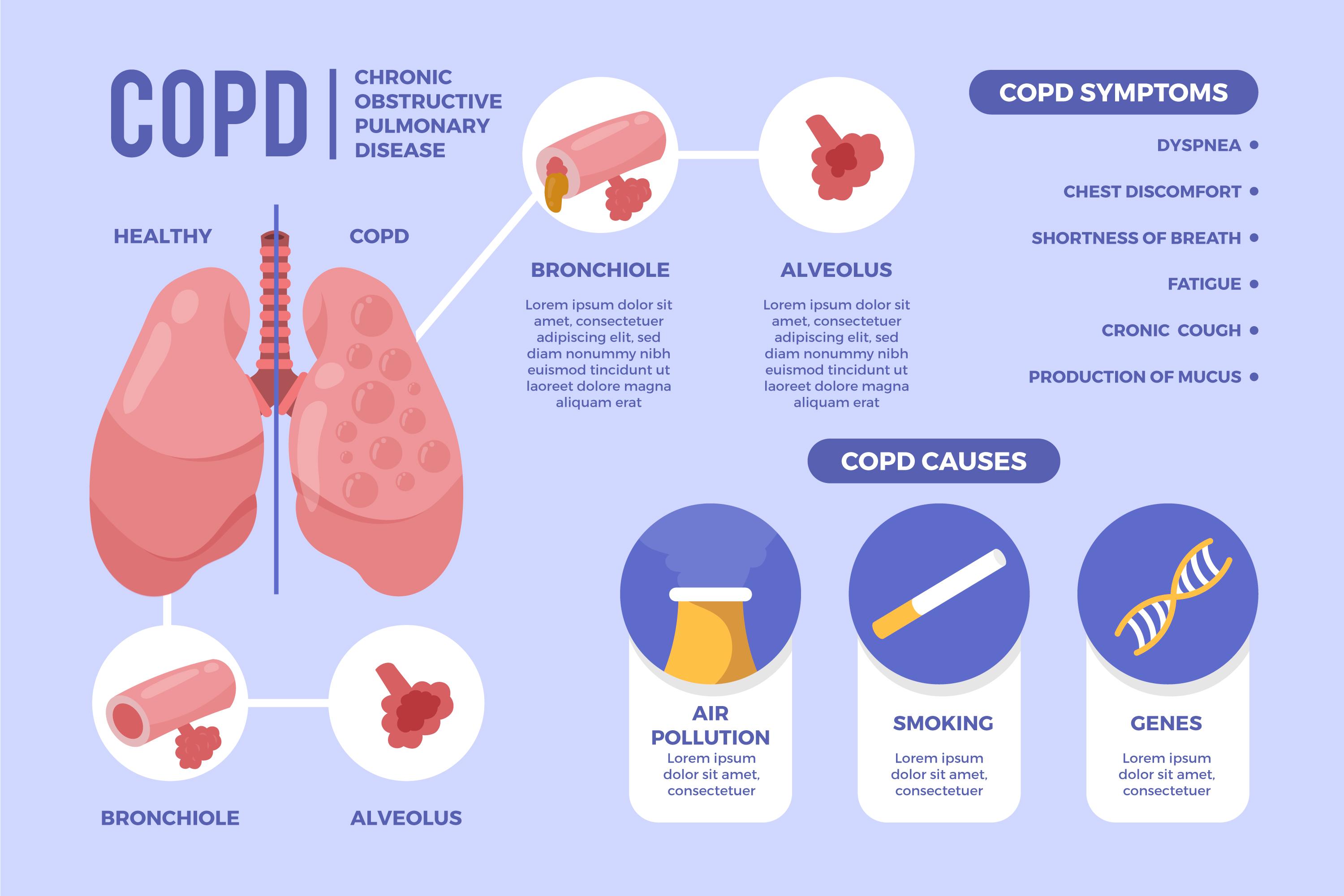
Chronic Obstructive Pulmonary Disease (COPD) is a common, preventable, and treatable condition that is often underdiagnosed. This year’s theme encourages people to recognize a key symptom: “Short of Breath, Think COPD.”
Recognizing symptoms and seeking diagnosis is key to management. Resources for education and support are available through the COPD Foundation.
National Family Caregivers Month: Plug-in to Care
National Family Caregivers Month
This month celebrates and supports the countless family members and friends who provide care for loved ones with health needs. The theme “Plug-in to Care” helps raise awareness about the daily challenges caregivers face and connects them to essential resources.
Led by the American Cancer Society, this annual event focuses on intervention with smoking and raising awareness of the many diseases caused by tobacco use. It encourages individuals to commit to a smoke-free life and provides guidance along the way.
If you or a loved one is struggling with this addiction, resources are available to support the journey.
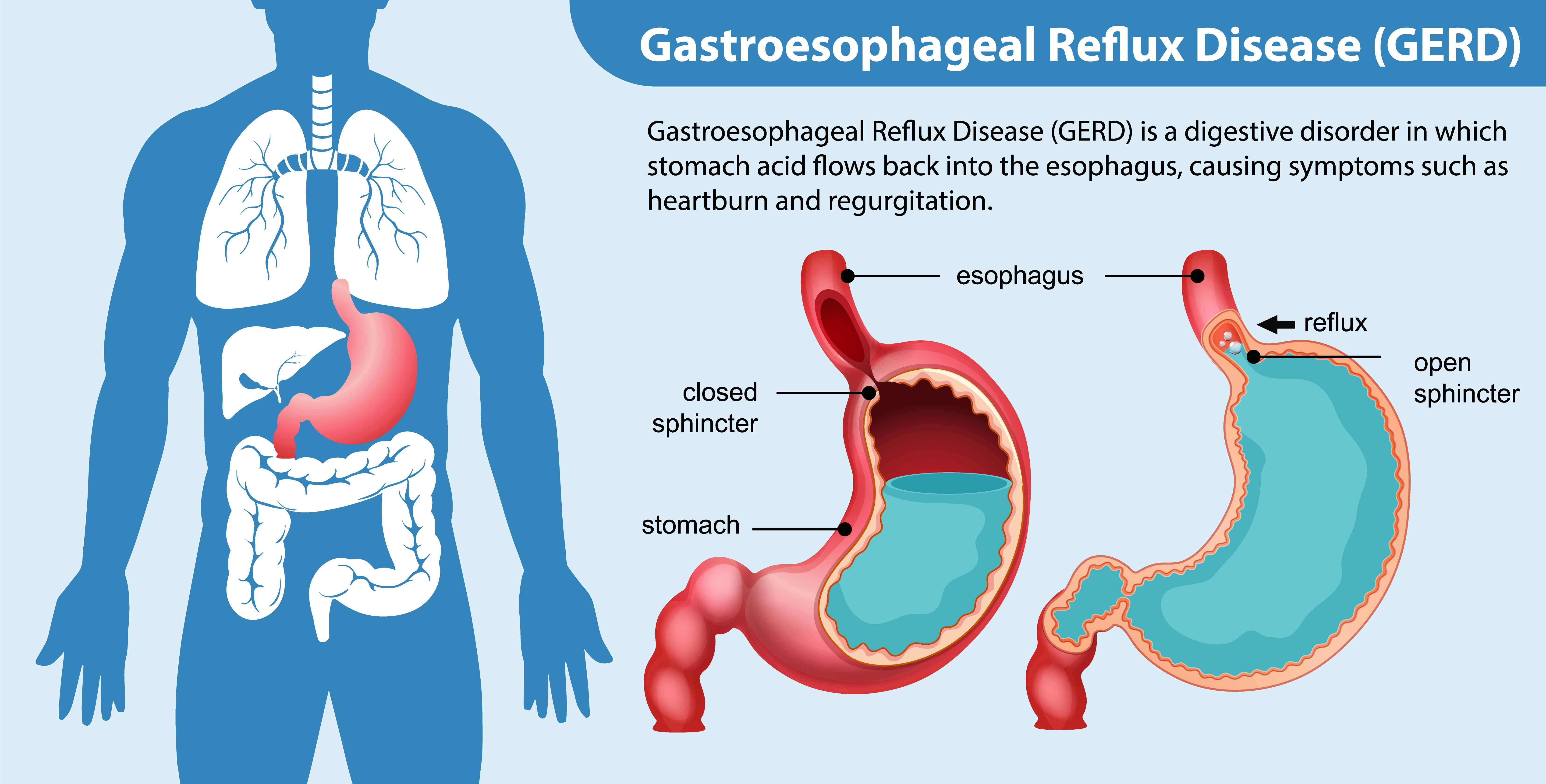
Gastroesophageal Reflux Disease (GERD) is a common digestive disorder affecting the stomach and esophagus. The most common symptom is heartburn, which can range from uncomfortable to severe.
It’s important to understand that while heartburn is a symptom, a proper diagnosis must be made by a healthcare professional.
Learn more about GERD, its effects, and how to get tested by joining the course at GERD Awareness Week.
American Diabetes Month (November)
This month focuses on raising awareness about diabetes prevention, management, and treatment.
Q: What is the main difference between Type 1 and Type 2 diabetes?
A:Type 1 diabetes is an autoimmune disease where the body stops producing insulin. It is often diagnosed in children and young adults and requires daily insulin injections or use of an insulin pump. Type 2 diabetes is the most common form, where the body either doesn’t produce enough insulin or doesn’t use it effectively (known as insulin resistance). Type 2 is strongly associated with lifestyle factors and often begins in adulthood.
Q: How can I know if I’m at risk for diabetes or prediabetes?
A: Risk factors include being overweight or obese, being 45 or older, having a family history of diabetes, and being physically inactive. You should be tested if you have symptoms like excessive thirst, frequent urination, or unexplained weight loss. The primary test is the A1C test, which measures your average blood sugar level over the past two to three months.
Q: Can Type 2 diabetes be prevented?
A: For many, Type 2 diabetes is preventable. Lifestyle changes are key, including eating a healthy diet, getting regular physical activity, losing weight if overweight, and stopping smoking. If you have prediabetes (higher than normal blood sugar levels, but not high enough for a diabetes diagnosis), these steps can often reverse the condition.
Movember (November)
Movember is an annual event involving the growing of moustaches during November to raise awareness and funds for men’s health issues.
Q: What is Movember all about?
A: Movember is a global charity event where participants, known as Mo Bros, grow a moustache for the 30 days of November to spark conversations and raise funds for critical men’s health issues: prostate cancer, testicular cancer, and mental health and suicide prevention.
Q: How else can I participate if I can’t grow a moustache?
A: There are several ways to get involved! You can commit to Moving 60 miles over the month (representing the 60 men lost to suicide every hour globally), Host a Mo-ment by gathering friends to raise awareness, or take on a challenge through Mo Your Own Way. Women, often called Mo Sisters, are vital to the campaign through fundraising and encouraging men to act for their health.
Q: Why is Movember focused on prostate and testicular cancer?
A: These are the most common cancers in men. The campaign stresses the importance of early detection. For testicular cancer, this means men performing monthly self-exams. For prostate cancer, it means men over 50 (or younger if there’s a family history) talking to their doctor about testing.
COPD Awareness Month (November)
This month is dedicated to increasing public knowledge of Chronic Obstructive Pulmonary Disease (COPD).
Q: What exactly is COPD?
A:COPD, or Chronic Obstructive Pulmonary Disease, is a chronic inflammatory disease that causes obstructed airflow from the lungs. It is an umbrella term that mainly includes emphysema and chronic bronchitis. It makes breathing difficult and progressively worsens over time.
Q: What are the primary risk factors and symptoms of COPD?
A: The single greatest risk factor is long-term cigarette smoking. Other risk factors include exposure to secondhand smoke, air pollution, chemical fumes, and genetics. Common symptoms include a chronic cough, shortness of breath (especially with physical exertion), wheezing, and a lot of mucus/phlegm production.
Q: Is there a cure for COPD?
A: Currently, there is no cure for COPD, but it is treatable and manageable. Treatment focuses on relieving symptoms, slowing the progression of the disease, and improving quality of life. This often involves quitting smoking, taking prescribed medications (like inhalers), and participating in pulmonary rehabilitation.
National Family Caregivers Month (November)
This month recognizes and honors the millions of family caregivers across the United States.
Q: Who is considered a family caregiver?
A: A family caregiver is anyone who provides regular, unpaid assistance to a family member, partner, or friend with a chronic illness, disability, or a condition that requires extra support, such as aging-related needs.
Q: What are the biggest challenges facing family caregivers?
A: Common challenges include caregiver burnout (emotional and physical exhaustion), financial strain from costs and missed work, social isolation, and balancing caregiving with other life responsibilities. Caregiver support is crucial to prevent these issues.
Q: How can I support a caregiver I know?
A: Offer specific, practical help like providing respite care (giving the caregiver a planned break), helping with errands or household chores, preparing meals, or simply checking in regularly to offer an open ear. Encourage them to prioritize their own self-care and connect with caregiver resources in their community.
Great American Smokeout Day (Third Thursday in November)
The American Cancer Society uses this day to encourage people who smoke to use the date to plan to quit or to quit smoking altogether.
Q: What is the goal of the Great American Smokeout?
A: The main goal is to inspire people who use tobacco products to commit to a smoke-free life, starting by quitting for the day. The event emphasizes that quitting is a journey and that resources for smoking cessation are available to help.
Q: What are the biggest benefits of quitting smoking?
A: Quitting improves health almost immediately and long-term. Within 20 minutes, heart rate and blood pressure drop. Within a few months, lung function improves. Long-term benefits include significantly reduced risk of lung cancer and other cancers, heart disease, stroke, and COPD. It is the single best thing a person can do for their health and cancer prevention.
Q: What resources are available to help people quit?
A: Many effective options exist, including Nicotine Replacement Therapy (patches, gum, lozenges), prescription medications, counseling, and Quit Smoking hotlines (like 1-800-QUIT-NOW). The combination of counseling and medication generally provides the best chance of success against nicotine addiction.
GERD Awareness Week (Usually the week of Thanksgiving)
This week is dedicated to increasing public knowledge of Gastroesophageal Reflux Disease (GERD).
Q: What is the difference between occasional heartburn and GERD?
A:Heartburn (or acid reflux) is the burning sensation in the chest caused by stomach acid backing up into the esophagus. It’s common and often occasional. GERD (Gastroesophageal Reflux Disease) is diagnosed when this reflux occurs frequently—typically two or more times a week—and is severe enough to cause bothersome symptoms or damage the esophagus. The issue is often a weak or relaxed Lower Esophageal Sphincter (LES), the valve between the esophagus and stomach.
Q: What are the long-term risks of untreated GERD?
A: Chronic, untreated GERD can lead to serious complications. The persistent exposure to stomach acid can cause esophagitis (inflammation), strictures (narrowing of the esophagus), and a condition called Barrett’s esophagus, which is a risk factor for esophageal cancer.
Q: How is GERD usually treated?
A: Treatment begins with lifestyle changes, such as avoiding trigger foods (like coffee, chocolate, fatty foods), eating smaller meals, and not lying down immediately after eating. Medications like Proton Pump Inhibitors (PPIs) or H2 blockers are often prescribed to reduce stomach acid production. In severe cases, surgical options may be considered to strengthen the LES.